Buy reitclub.eu ?
We are moving the project
reitclub.eu .
Are you interested in purchasing the domain
reitclub.eu ?
domain@kv-gmbh.de · 0541-91531010
Buy reitclub.eu ?
What is the history and origin of therapeutic riding?
Therapeutic riding, also known as horse therapy or equine therapy, has its roots in ancient Greece, where it was believed that horseback riding could have therapeutic benefits for individuals with physical and mental disabilities. The modern practice of therapeutic riding began in the 1950s in Scandinavia and Europe, where it was used as a rehabilitation tool for individuals with physical disabilities. The concept gained popularity in the United States in the 1960s, and today, therapeutic riding programs are offered around the world to help individuals with a wide range of physical, emotional, and cognitive challenges. **
Which horse breed is suitable for which therapeutic riding?
Different horse breeds can be suitable for different types of therapeutic riding. For example, gentle and calm breeds such as the American Quarter Horse, Morgan, or Icelandic horse are often used for therapeutic riding programs for individuals with physical disabilities or those who need a steady and reliable mount. On the other hand, more energetic and responsive breeds such as the Thoroughbred or Arabian may be used for therapeutic riding programs focused on building confidence, balance, and coordination in riders with cognitive or emotional challenges. Ultimately, the suitability of a horse breed for therapeutic riding depends on the specific needs and goals of the riders and the expertise of the program staff in matching the right horse to each individual. **

Similar search terms for Therapeutic
Top-Angebote
Products related to Therapeutic:
-
Uplifted Finds QuackCalm Ultra Plush Therapeutic Duck Toy blue Bird"Therapeutic Duck. More than just a plaything, this ultraplush toy is specifically designed to provide emotional comfort and stress relief for puppies and senior dogs alike. Crafted with a soft, ""mothercoat"" texture, it serves as a perfect snuggle..."36,97 $*Shipping: 0,00 $Secure redirect to the provider
-
Uplifted Finds QuackCalm Ultra Plush Therapeutic Duck Toy carrot 20cm"Therapeutic Duck. More than just a plaything, this ultraplush toy is specifically designed to provide emotional comfort and stress relief for puppies and senior dogs alike. Crafted with a soft, ""mothercoat"" texture, it serves as a perfect snuggle..."31,97 $*Shipping: 0,00 $Secure redirect to the provider
-
Uplifted Finds QuackCalm Ultra Plush Therapeutic Duck Toy blue Octopus"Therapeutic Duck. More than just a plaything, this ultraplush toy is specifically designed to provide emotional comfort and stress relief for puppies and senior dogs alike. Crafted with a soft, ""mothercoat"" texture, it serves as a perfect snuggle..."41,97 $*Shipping: 0,00 $Secure redirect to the provider




-
How is the cost coverage for therapeutic horseback riding arranged?
The cost coverage for therapeutic horseback riding can be arranged in a few different ways. Some programs may be covered by health insurance, especially if the therapy is prescribed by a healthcare provider. In some cases, the cost may be covered by a disability or rehabilitation program. Additionally, some therapeutic riding centers offer scholarships or financial assistance to help cover the cost for individuals who may not be able to afford it. Finally, some families may choose to pay out of pocket for the therapy. It's important to research and inquire about the specific cost coverage options available at each individual therapeutic riding center. **
-
Are therapeutic trainings still recommended?
Yes, therapeutic trainings are still recommended for individuals seeking to become licensed therapists or counselors. These trainings provide essential knowledge and skills in areas such as counseling techniques, ethics, and cultural competence. Additionally, ongoing professional development and training are important for therapists to stay updated on the latest research and best practices in the field. Therefore, therapeutic trainings continue to be an important part of the education and professional growth for those in the mental health field. **
-
What is the difference between a therapeutic intensive educational and a therapeutic residential group?
A therapeutic intensive educational group typically focuses on providing intensive educational and therapeutic services to individuals who may be struggling with emotional, behavioral, or academic challenges. These groups often involve a structured and intensive educational program, along with therapeutic support and counseling. On the other hand, a therapeutic residential group provides a comprehensive and holistic therapeutic environment for individuals who require 24-hour care and support. This type of group typically offers a range of therapeutic services, including individual and group therapy, life skills training, and support for daily living activities, within a residential setting. **
-
Can social workers provide therapeutic treatment?
Yes, social workers can provide therapeutic treatment. They are trained to provide counseling and therapy to individuals, families, and groups to address a wide range of mental health and social issues. Social workers use various therapeutic approaches such as cognitive-behavioral therapy, solution-focused therapy, and trauma-informed therapy to help clients work through their challenges and improve their well-being. Additionally, social workers often work in collaboration with other mental health professionals to provide comprehensive therapeutic treatment. **


"Do you ride in the dressage arena in the equestrian WB?"
Yes, dressage is a key discipline in equestrian sports, and the dressage arena is an essential part of training and competition for equestrian Warmblood (WB) horses. The dressage arena is where riders and their horses perform a series of precise movements and exercises to demonstrate their skill, balance, and obedience. Equestrian WB horses are often trained and competed in dressage due to their athleticism, elegance, and ability to perform the intricate movements required in the discipline. **
Is it possible to gallop despite a frozen riding arena?
Yes, it is possible to gallop in a frozen riding arena, but it is not recommended. Galloping on a frozen surface can be dangerous for both the horse and the rider. The lack of traction and the hard surface can increase the risk of slipping and falling, potentially causing injury to the horse and rider. It is important to wait for the arena to thaw and provide safe footing before attempting to gallop or engage in any high-speed activities. **
Top-Angebote
Products related to Therapeutic:
-
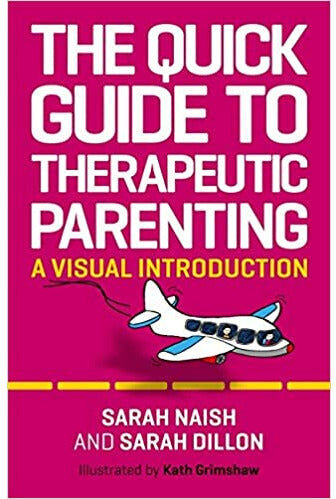
Jessica Kingsley Publishers The Quick Guide to Therapeutic Parenting: A Visual Introduction (Therapeutic Parenting Books) by Sarah NaishTherapeutic parenting is not your usual parenting style. It's a special, specific way to raise kids who have experienced trauma in their past, and requires a lot of commitment and determination - this is about far more than love and care.But where do you start?This book is the ideal first step for anyone who wants to understand how therapeutic parenting works. It offers simple summaries of the key ideas behind it, fully illustrated throughout with informative cartoons and graphics. Over 40 different issues are covered, from dysregulation and fear, to setting boundaries and parenting in the midst of trauma.The perfect introduction for new therapeutic parents, family members, teachers or other adults who need to help support you and your child, this Quick Guide will also be a source of inspiration for more experienced parents.13,20 £*Shipping: 2,99 £Secure redirect to the provider
-
Atashi K-Bioferment Luxury Therapeutic Serum 30 mlHealth and Beauty Serums Atashi K-Bioferment Luxury Therapeutic Serum 30 ml K-Bioferment Luxury Therapy Serum is an anti-aging, revitalizing and multi-correcting energetic pre-treatment for skin that is restless and subjected to exhausting lifestyles. Prepare your skin to enhance the benefits of your night treatment. Based on Korean cosmetics, it strengthens the skin and its microbiome, and protects the epidermis from epigenetic stress thanks to its formula with Bioferments and Ganoderma Mushroom. Improves loss of radiance, uneven skin tone and texture, pigmentation, redness, enlarged pores, fine lines, wrinkles, and loss of firmness. - Balances the skin's microbiome - Improves the texture of the skin, looking juicy and smooth - Immediate Lifting and Filler effect - Soothes, softens and illuminates - Minimizes pores. Mode of Use: Apply at night to a cleansed and toned face. It's your pre-treatment to your night routine. To do this, apply 2 or 3 pulses and spread it well over the face, neck and décolleté with gentle massages.36,31 £*Shipping: 3,99 £Secure redirect to the provider
-
Uplifted Finds QuackCalm Ultra Plush Therapeutic Duck Toy blue Bird"Therapeutic Duck. More than just a plaything, this ultraplush toy is specifically designed to provide emotional comfort and stress relief for puppies and senior dogs alike. Crafted with a soft, ""mothercoat"" texture, it serves as a perfect snuggle..."36,97 $*Shipping: 0,00 $Secure redirect to the provider
-
What is the history and origin of therapeutic riding?
Therapeutic riding, also known as horse therapy or equine therapy, has its roots in ancient Greece, where it was believed that horseback riding could have therapeutic benefits for individuals with physical and mental disabilities. The modern practice of therapeutic riding began in the 1950s in Scandinavia and Europe, where it was used as a rehabilitation tool for individuals with physical disabilities. The concept gained popularity in the United States in the 1960s, and today, therapeutic riding programs are offered around the world to help individuals with a wide range of physical, emotional, and cognitive challenges. **
-
Which horse breed is suitable for which therapeutic riding?
Different horse breeds can be suitable for different types of therapeutic riding. For example, gentle and calm breeds such as the American Quarter Horse, Morgan, or Icelandic horse are often used for therapeutic riding programs for individuals with physical disabilities or those who need a steady and reliable mount. On the other hand, more energetic and responsive breeds such as the Thoroughbred or Arabian may be used for therapeutic riding programs focused on building confidence, balance, and coordination in riders with cognitive or emotional challenges. Ultimately, the suitability of a horse breed for therapeutic riding depends on the specific needs and goals of the riders and the expertise of the program staff in matching the right horse to each individual. **
-
How is the cost coverage for therapeutic horseback riding arranged?
The cost coverage for therapeutic horseback riding can be arranged in a few different ways. Some programs may be covered by health insurance, especially if the therapy is prescribed by a healthcare provider. In some cases, the cost may be covered by a disability or rehabilitation program. Additionally, some therapeutic riding centers offer scholarships or financial assistance to help cover the cost for individuals who may not be able to afford it. Finally, some families may choose to pay out of pocket for the therapy. It's important to research and inquire about the specific cost coverage options available at each individual therapeutic riding center. **
-
Are therapeutic trainings still recommended?
Yes, therapeutic trainings are still recommended for individuals seeking to become licensed therapists or counselors. These trainings provide essential knowledge and skills in areas such as counseling techniques, ethics, and cultural competence. Additionally, ongoing professional development and training are important for therapists to stay updated on the latest research and best practices in the field. Therefore, therapeutic trainings continue to be an important part of the education and professional growth for those in the mental health field. **
Similar search terms for Therapeutic
-
Uplifted Finds QuackCalm Ultra Plush Therapeutic Duck Toy carrot 20cm"Therapeutic Duck. More than just a plaything, this ultraplush toy is specifically designed to provide emotional comfort and stress relief for puppies and senior dogs alike. Crafted with a soft, ""mothercoat"" texture, it serves as a perfect snuggle..."31,97 $*Shipping: 0,00 $Secure redirect to the provider
-
Uplifted Finds QuackCalm Ultra Plush Therapeutic Duck Toy blue Octopus"Therapeutic Duck. More than just a plaything, this ultraplush toy is specifically designed to provide emotional comfort and stress relief for puppies and senior dogs alike. Crafted with a soft, ""mothercoat"" texture, it serves as a perfect snuggle..."41,97 $*Shipping: 0,00 $Secure redirect to the provider
-
Uplifted Finds QuackCalm Ultra Plush Therapeutic Duck Toy blue Elephant"Therapeutic Duck. More than just a plaything, this ultraplush toy is specifically designed to provide emotional comfort and stress relief for puppies and senior dogs alike. Crafted with a soft, ""mothercoat"" texture, it serves as a perfect snuggle..."36,97 $*Shipping: 0,00 $Secure redirect to the provider
-
What is the difference between a therapeutic intensive educational and a therapeutic residential group?
A therapeutic intensive educational group typically focuses on providing intensive educational and therapeutic services to individuals who may be struggling with emotional, behavioral, or academic challenges. These groups often involve a structured and intensive educational program, along with therapeutic support and counseling. On the other hand, a therapeutic residential group provides a comprehensive and holistic therapeutic environment for individuals who require 24-hour care and support. This type of group typically offers a range of therapeutic services, including individual and group therapy, life skills training, and support for daily living activities, within a residential setting. **
-
Can social workers provide therapeutic treatment?
Yes, social workers can provide therapeutic treatment. They are trained to provide counseling and therapy to individuals, families, and groups to address a wide range of mental health and social issues. Social workers use various therapeutic approaches such as cognitive-behavioral therapy, solution-focused therapy, and trauma-informed therapy to help clients work through their challenges and improve their well-being. Additionally, social workers often work in collaboration with other mental health professionals to provide comprehensive therapeutic treatment. **
-
"Do you ride in the dressage arena in the equestrian WB?"
Yes, dressage is a key discipline in equestrian sports, and the dressage arena is an essential part of training and competition for equestrian Warmblood (WB) horses. The dressage arena is where riders and their horses perform a series of precise movements and exercises to demonstrate their skill, balance, and obedience. Equestrian WB horses are often trained and competed in dressage due to their athleticism, elegance, and ability to perform the intricate movements required in the discipline. **
-
Is it possible to gallop despite a frozen riding arena?
Yes, it is possible to gallop in a frozen riding arena, but it is not recommended. Galloping on a frozen surface can be dangerous for both the horse and the rider. The lack of traction and the hard surface can increase the risk of slipping and falling, potentially causing injury to the horse and rider. It is important to wait for the arena to thaw and provide safe footing before attempting to gallop or engage in any high-speed activities. **
* All prices are inclusive of VAT and, if applicable, plus shipping costs. The offer information is based on the details provided by the respective shop and is updated through automated processes. Real-time updates do not occur, so deviations can occur in individual cases. ** Note: Parts of this content were created by AI.